Before the program
- Innovation treated as a one-off event with no continuity
- University talent disconnected from industrial challenges
- No structured path from idea to working prototype
Open innovation · Industry & University
Most open innovation programs die in their own rhetoric — they generate buzz, collect ideas, and disappear. The challenge was to build something different: a format with real stakes, genuine support, and continuity that made people want to come back.
RoleProgram design, coordination, facilitation, visual communication, speaker coaching, website design, evaluation system, and public speaking.
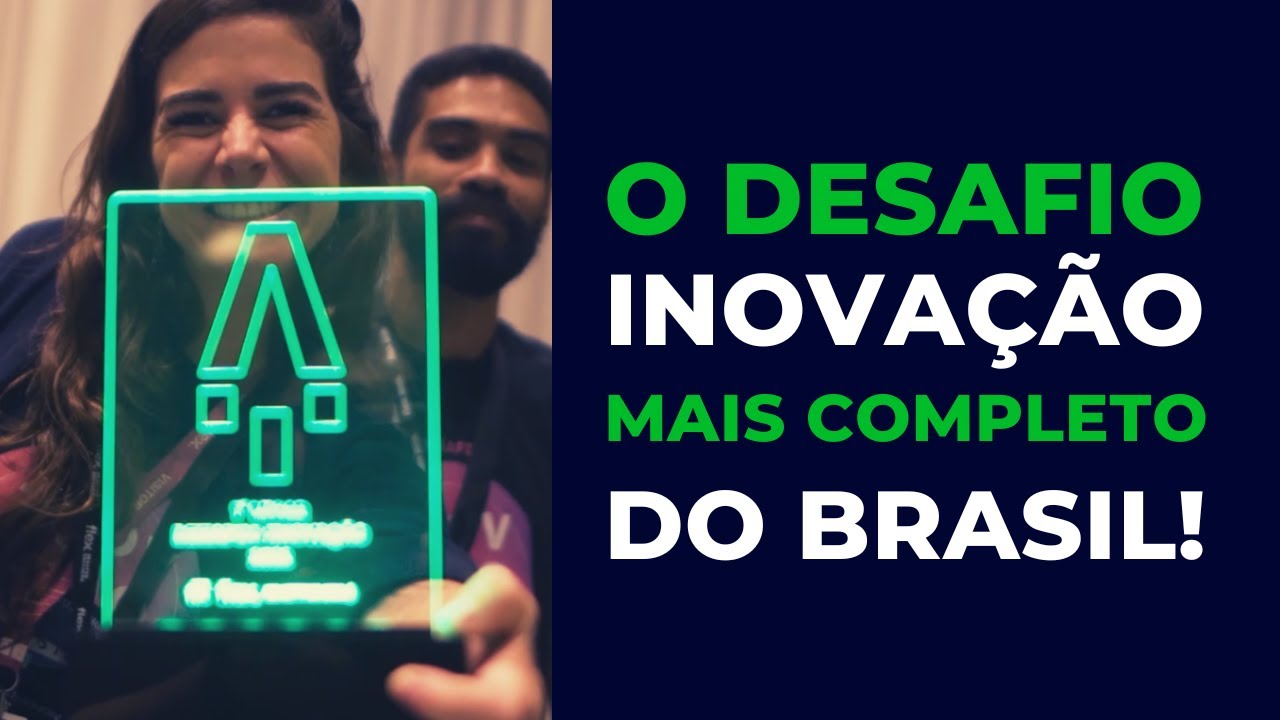
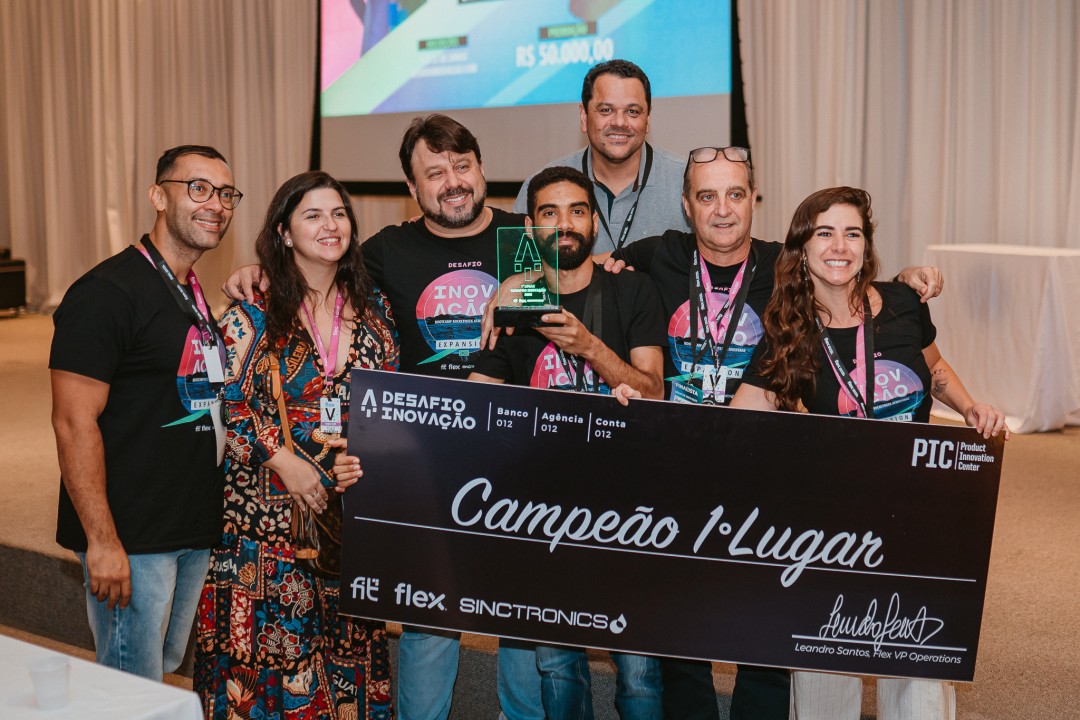
Dual open innovation program — one for employees, one for universities — that became the most complete innovation challenge in Brazil across 4 years.
Innovation doesn't come from the top down — it comes from people who already have the disposition to create. The insight behind the Flex Innovation Challenge was to stop outsourcing that energy and instead channel it from the people who already understood the business or had passion for the problems.
We built two parallel programs: one for employees who rarely had a formal path to bring ideas to life, and one for university students who had the technical knowledge but lacked real-world challenges and manufacturing infrastructure to test with.
The key difference from other programs: Flex wasn't just offering a prize. It was offering a structured environment — technical mentorship, manufacturing lab access at the PIC (Product Innovation Center), transportation, meals, hands-on expert support — and a genuine shot at being hired or partnered.
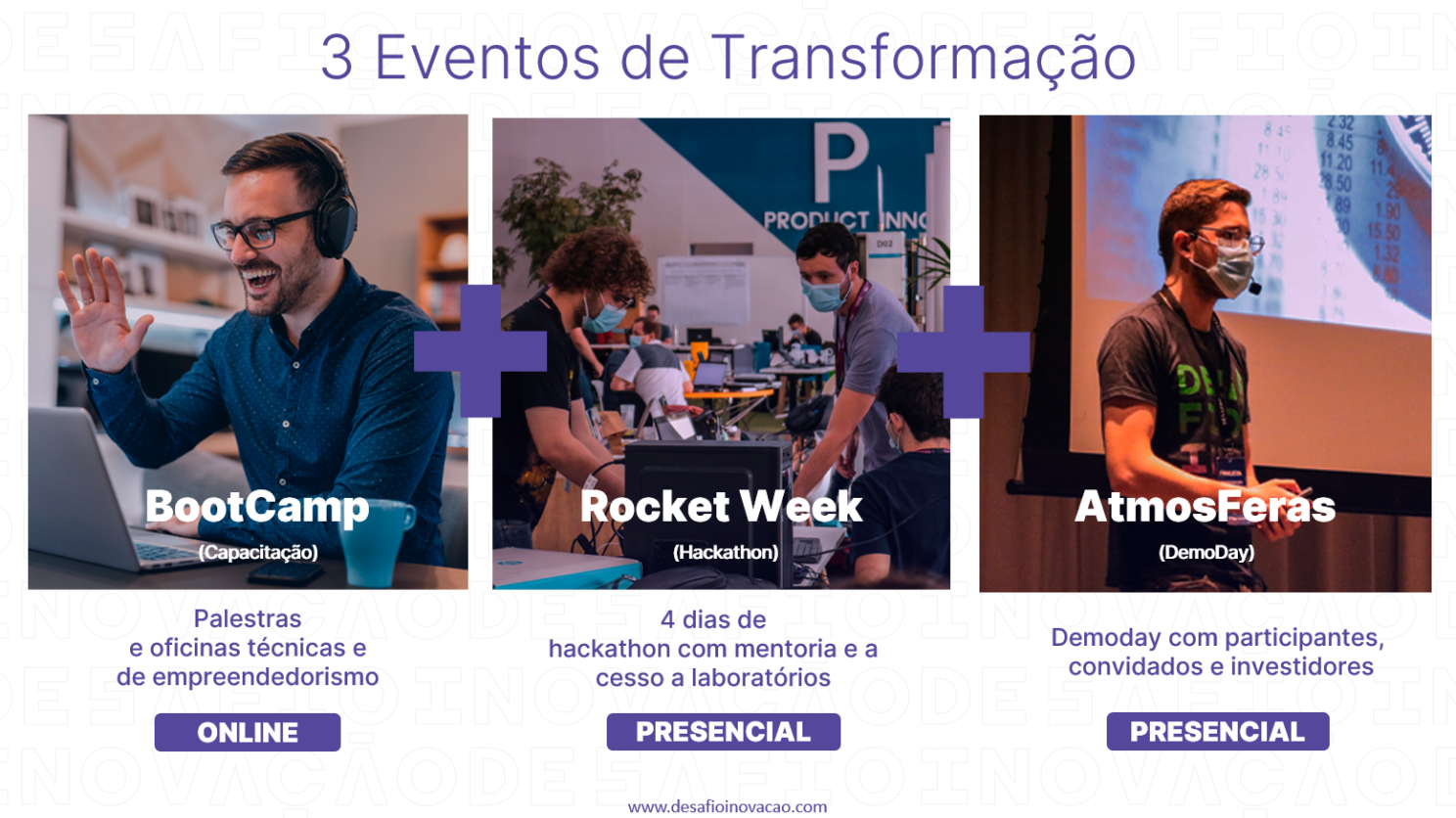
The program was structured as a three-phase journey, not a single event. Each phase had a different purpose and a different energy.
Bootcamp was an online summit of talks and workshops — covering tech fundamentals, business basics, and practical skills. Teams arrived at the next phase with shared vocabulary and early camaraderie.
Rocket Week was the centerpiece: a 4-day in-person hackathon held inside the PIC. Before teams wrote a single line of code or built a single prototype, Flex sat down with each one to understand the project, map what was needed, and decide if components should be purchased. When specialist developers or engineers were required, Flex brought them in — not just to guide, but to actually build alongside the participants. The lab had industrial additive manufacturing equipment, IoT infrastructure, automation, and certification resources available.
AtmosFeras was the Demo Day: investors, CEOs and technology company partners were invited as judges. They set the scoring criteria, defined the ranking, and the top 15 finalists split R$50,000 in prizes.
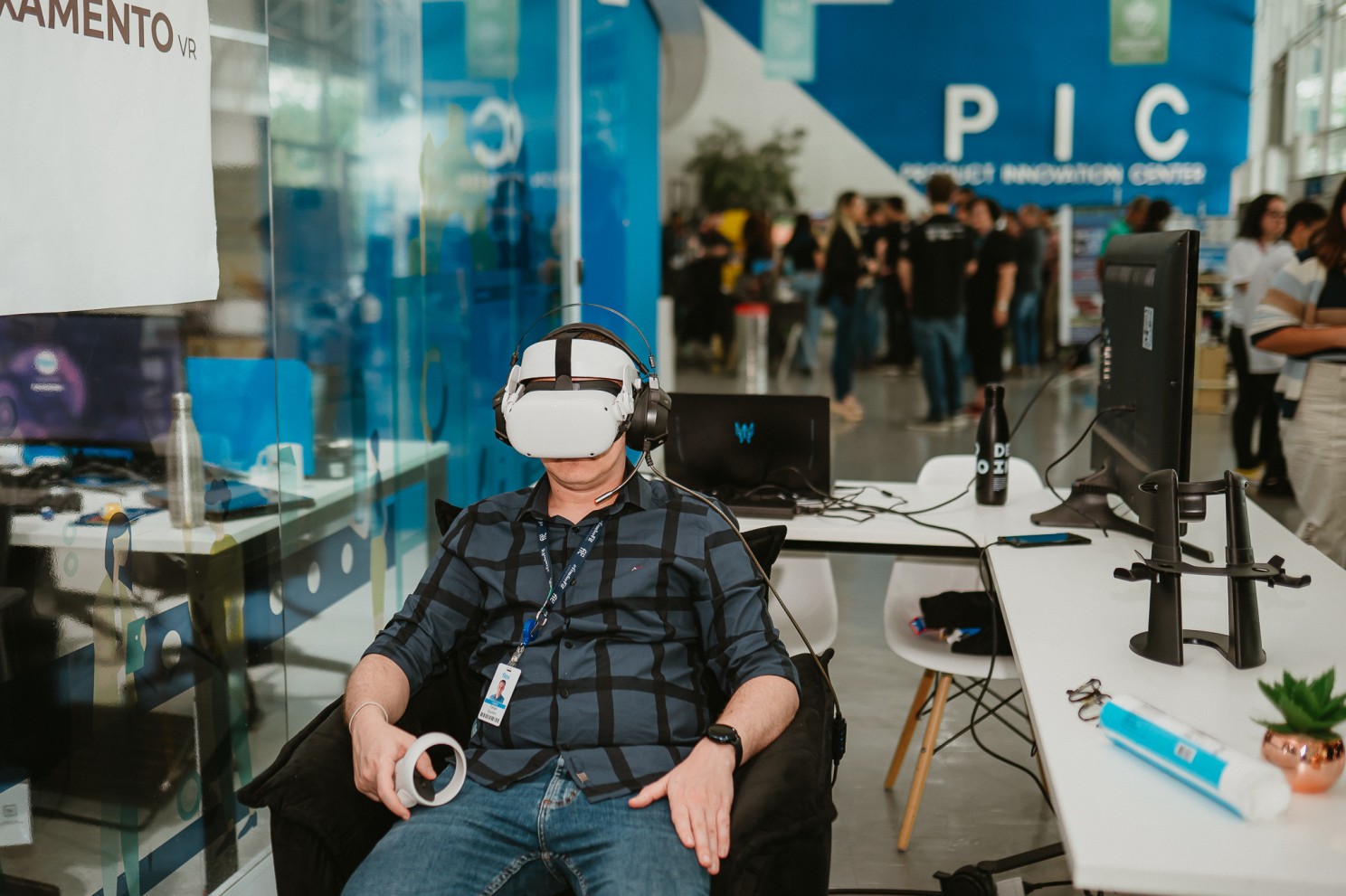
The program design started from a behavioral insight: many people already have traces of innovation mindset but operate in "chicken flight mode" — occasional, reactive, unstructured. The Bootcamp phase was designed to make that implicit capability explicit and disciplined.
Participants who enrolled were showing pre-existing inclination to innovate. The training didn't try to implant a foreign behavior — it gave structure and permission to something already there. The result was people who could bring impact to their day-to-day roles, not just in a challenge context.
We conducted 10+ university talks per year on topics like the Metaverse to create a pipeline of engaged participants before the challenge even opened. The in-person approach made the difference for reaching students across different states.
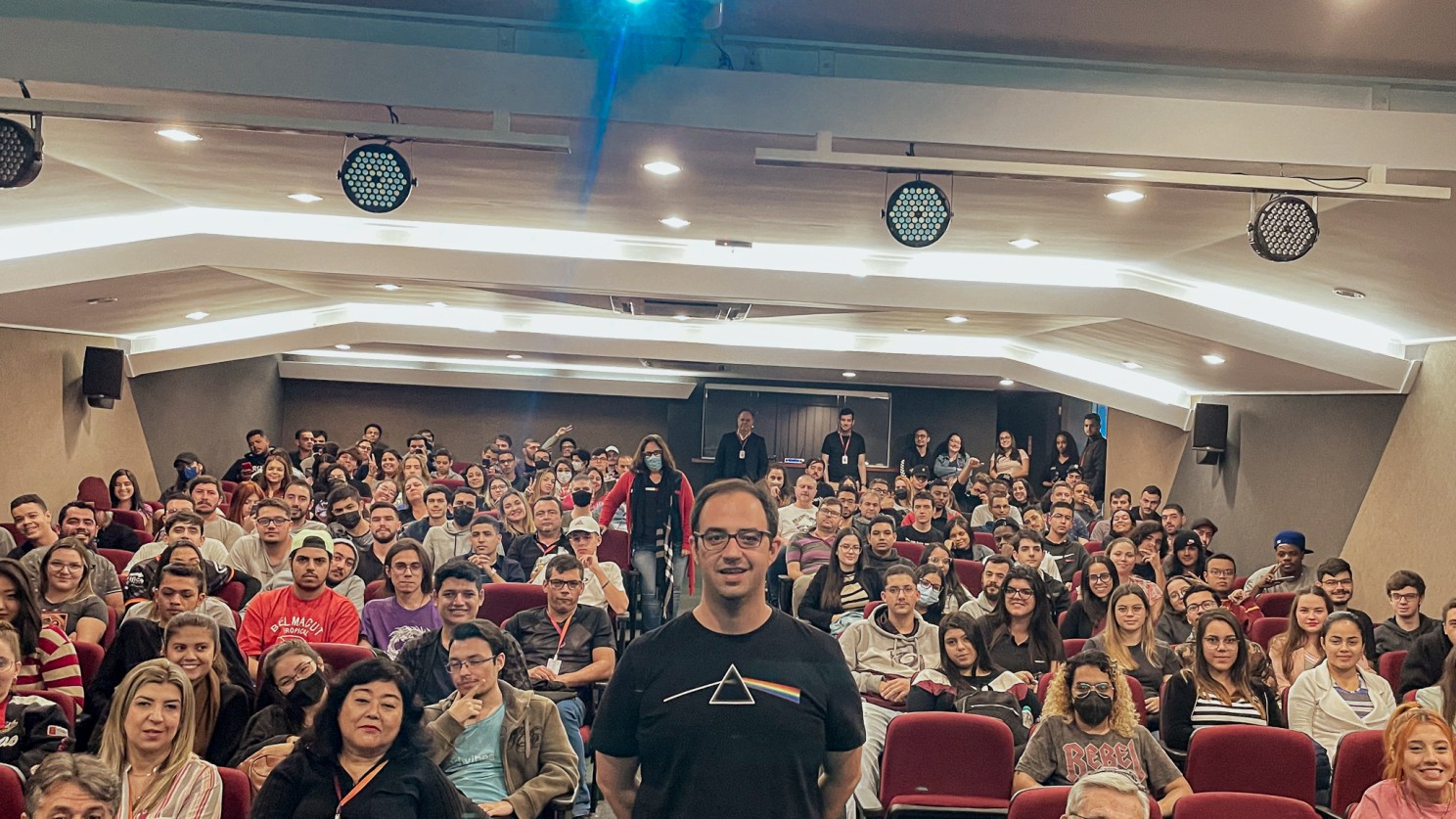
Managing 500+ submissions across two parallel programs required a system, not a spreadsheet. I designed a central website for idea submission that allowed participants to upload their projects, attach files, and track status.
The evaluation layer combined automated scoring on predefined criteria with a manual review from judges using a 1–5 scale. The hybrid approach captured both quantitative signals (completeness, feasibility, technical depth) and qualitative judgment (creativity, business potential). This combination ensured that no strong idea was lost to poor presentation, and no weak idea was inflated by enthusiasm alone.
For the speakers' program, I ran a week-long coaching process: rehearsals, personalized feedback, and presentation templates. We rehearsed three times per speaker to ensure the Bootcamp content was genuinely valuable and not just credential-filling.
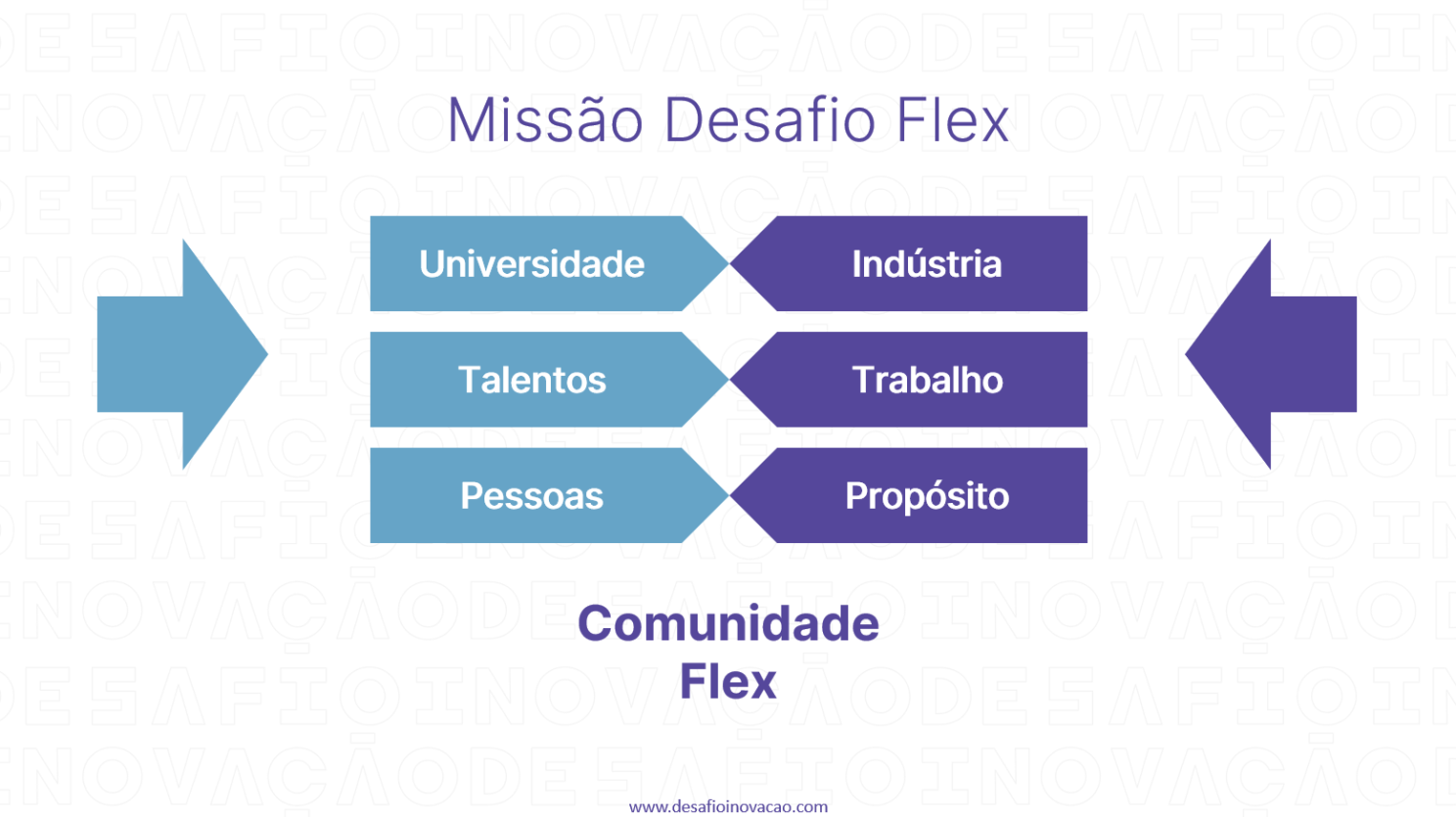
Over four years, the program developed active partnerships with 25 universities across different Brazilian states. Participation from non-partner universities grew organically as alumni spoke about the experience.
The university program was particularly powerful because it gave students something most academic programs cannot: a real challenge, real infrastructure, real stakes, and real mentors who were practitioners — not just professors.
Through the Challenge, Flex and FIT hired people who today are leaders at the company, and have formed partnerships with startups that entered the market. The program served as a talent pipeline with an unusual filter: it didn't select by grades or résumés, it selected by how people behaved under creative pressure.
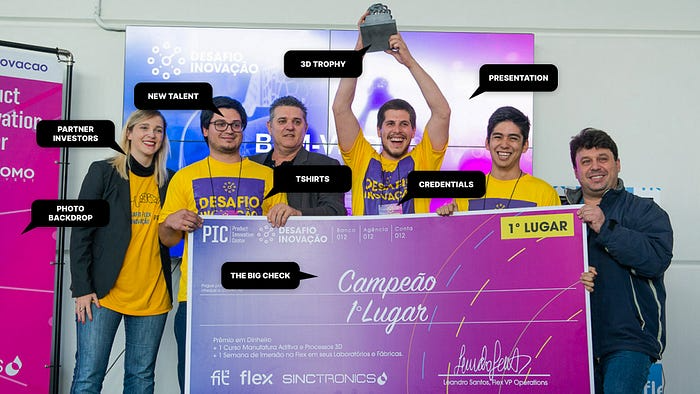
Cross-functional collaboration is not optional. Innovation doesn't thrive in silos — it needs people from different areas, backgrounds, and institutions working toward a shared problem. The program was designed around that from the start.
Over-communication is necessary. The biggest coordination challenge was maintaining message clarity across 25 universities, dozens of mentors, internal teams, and 500+ participants. Repetition ensures alignment; assuming people understood is how programs fail.
Empowering others adds more value than solving for them. The role was to give participants the tools, infrastructure, and mentorship to succeed — not to do it for them. The best outcomes came from teams that had full autonomy with full support.
If this kind of work fits what you are building, let us talk it through.
Start a conversation
React + Tailwind
Site for a national tech residency program, built to present it with clarity and credibility.
View case
15 regions · NPS 89
Management structure for a national tech residency, linking institutions, companies and regions across Brazil.
View case
NPS 91 · 45k hours · 210% of target
Three years building a corporate tech training ecosystem: operating model, quality measurement, platform governance, and a certification engine that outperformed targets every cycle.
View case