How Collaborative Innovation Roadmaps Can Help You Sell

During my time working closely with the New Business department, we faced the ongoing challenge of driving more innovation for our clients. From time to time, we needed to propose new projects that aligned with the client's strategy. At that point, the head of New Business, Marcos Bregantin, introduced a simple yet powerful idea that would maximize our capabilities and ignite the spark of innovation through collaboration. The strategy is so simple that it's easy to forget: stop trying to make people want your product. Start making the product that people want. We co-created ideas for new projects they would be eager to embrace — a seamless, effective way to innovate while keeping the client deeply invested in the process.
Step 1: Looking Inside — Understanding Your Company
The first step is understanding your internal technical strengths. Knowing what you can deliver is as important as understanding what the client needs. This will allow you to focus on projects where you could make the most impact. You can map your company's capability using different tools, but here are two options that can provide you with the necessary knowledge to advance to the next step.
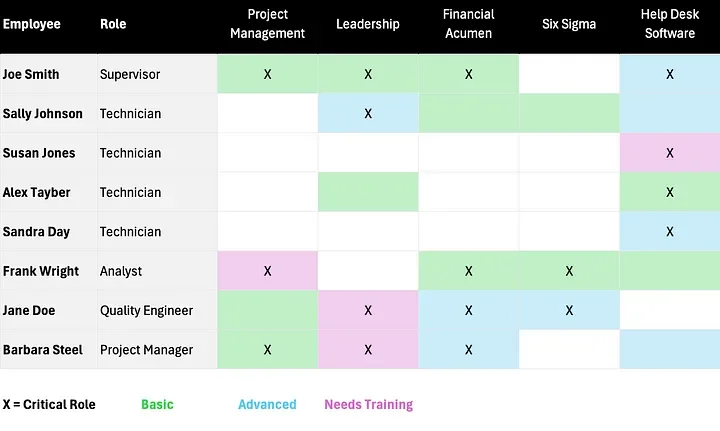
A Skill Matrix helps you map out all the capabilities of your team members. Identify key skills for innovation, categorize them by proficiency level, and visualize any skill gaps. This will give you a clear picture of where your team excels and where training or hiring might be necessary.
How to Build It: List all team members on one axis and key skills on the other. Rank each member's proficiency level (basic, advanced, and needs training) across relevant technical, soft, and leadership skills.
Tech Radar — Mapping Your Technology Stack
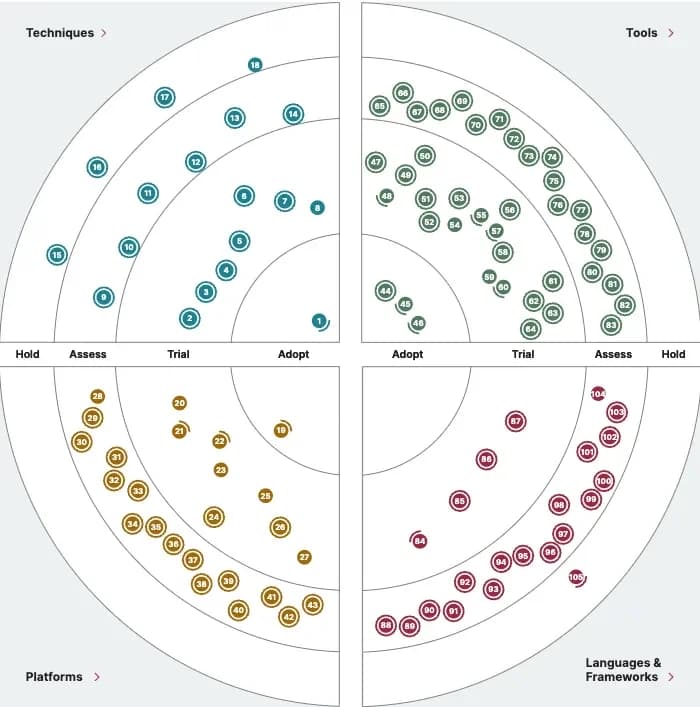
A Tech Radar helps you understand the maturity of your company's technology stack. It categorizes techniques, tools, platforms, and languages into four quadrants: Adopt, Trial, Assess, and Hold — helping you visualize which technologies are mature and can be used immediately and which need more exploration or investment.
How to Build It: Divide your radar into quadrants. Place mature technologies that can be scaled immediately in the "Adopt" quadrant and emerging or experimental technologies in the "Trial" and "Assess" quadrants. "Hold" is for tools that need reassessment or phasing out.
Use this awesome open-source tool, "Tech Radar" from Thoughtworks: thoughtworks.com/radar/byor.
Step 2: Looking Outside — Understanding Your Client
Aligning your innovation roadmap with the client's strategic goals requires a thorough understanding of their business objectives and market context. This step is essential to ensure your solutions fit within their broader business framework, positioning them for success in their industry. To achieve this, you'll need to conduct thorough research, gathering insights from key stakeholders, market trends, and user behaviors.
2.1 Stakeholders Research
To understand the client's strategic vision, it's critical to gather insights directly from the stakeholders. Engaging with decision-makers such as executives, product managers, and department heads will give you the clearest picture of the company's direction. Additionally, requesting internal documents, such as company reports, market predictions, and strategic planning materials, can provide valuable context for the client's ambitions.
How to Do It: Arrange interviews or focus groups with key stakeholders to understand their market positioning, future objectives, and potential challenges. Use a semi-structured interview approach that balances guiding questions with open discussion. Capture the information using tools like mind maps or affinity diagrams, helping you spot recurring themes.
Attention: Stakeholders at a strategic level just don't have the time for extensive interviews, so don't overcomplicate the process — keep it simple, direct, and efficient with the approach of "people over processes".

2.2 Market Trends
Market research is vital to ensure that your innovation roadmap stays relevant to industry trends. Understanding current and future trends will allow you to suggest innovations that keep the client competitive.
How to Do It: Leverage market research tools such as Gartner reports, Google Trends, IBISWorld, and industry-specific publications to track technological advancements, regulatory changes, and customer preference shifts. Study the competition to see what's working in the industry and identify gaps your client can capitalize on. Use your research findings to identify opportunities where your client's strategy aligns with broader market trends.

2.3 Customer Behaviors
Understanding customer behavior is a crucial element when aligning internal capabilities with client strategies. By analyzing existing data, such as customer reviews, feedback, and behavioral patterns, you can identify pain points and opportunities for improvement across various experiences.
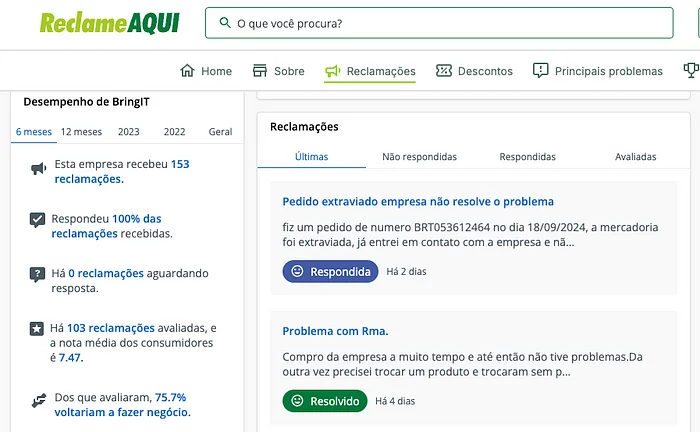
How to Do It: Instead of conducting new research, focus on data that's already available — product reviews, customer service logs, app store feedback, and public forums. Look at customer reviews across multiple platforms depending on the industry: AppStore, Google Reviews, ReclameAqui, Yelp, and TripAdvisor are rich sources of feedback. By analyzing the gathered data, you can compile a list of recurring pain points and present these insights as opportunities to innovate.
Step 3: Opening The Door And Connecting — The Fun Part
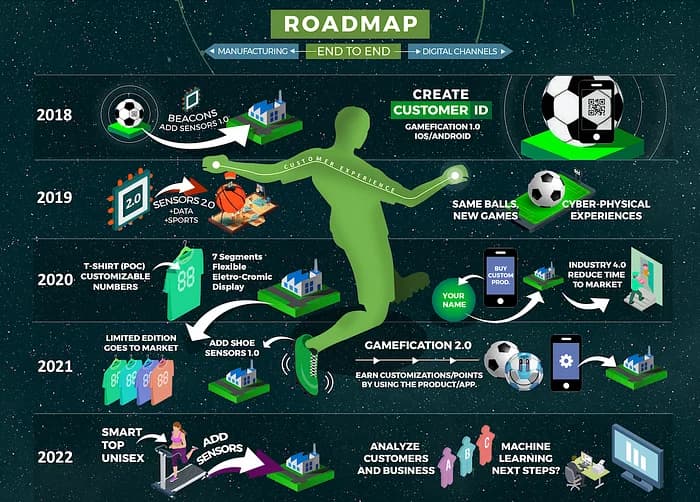
Connect the inside with the outside. Once you've mapped out internal capabilities and gathered insights on the client's strategic objectives, it's time to build the innovation roadmap. This visual guide aligns your company's strengths with the client's needs and sets a clear path for future development.
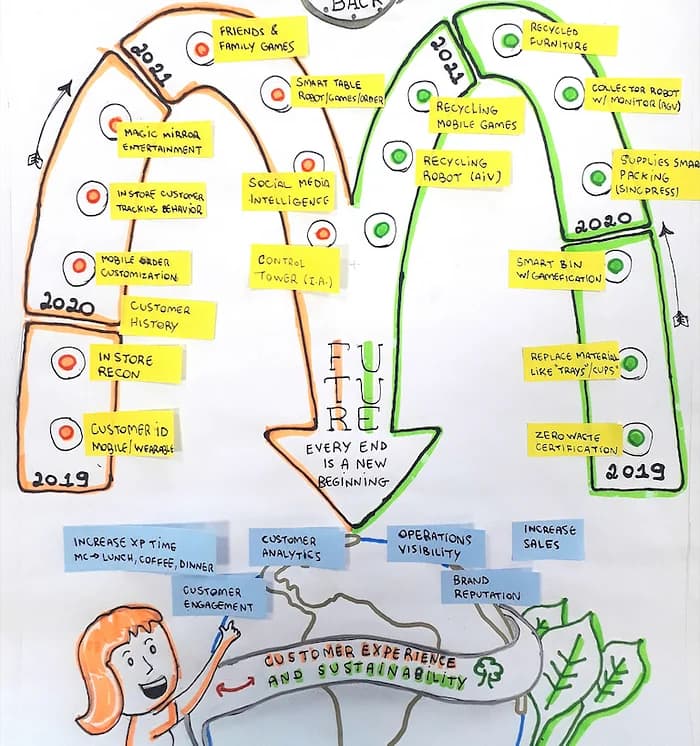
One approach I find particularly effective is starting with a Sketch — a rough but visual representation of ideas that encourages early feedback and collaboration. See the sketch below:
Building the Roadmap — From Sketch to Collaboration
Create The Groundwork: Begin with your team or even alone — keep in mind a broad, visual outline that captures rough ideas without diving too deep. This "silent storming" method allows for a rough draft that lays the groundwork for deeper discussions. The sketch is flexible and leaves room for refinement as the collaboration evolves.
Tip: Consider bringing Miro, Mural, FigJam, or a Designer to the party — or at least create a representation with one of these options after you do the sketch.
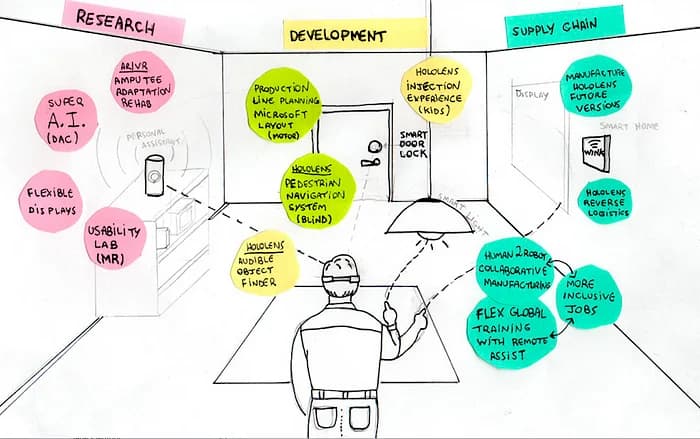
Look 3 to 5 years into the future: Create categories or paths that represent company initiatives, for example, education, operations, or customers. Place your ideas on a timeline for each category.
Co-Creation and Prioritization
Invite The Client To Collaboration: Present the sketch as an open-ended tool, encouraging your client to contribute and share their insights. This co-creation process ensures the roadmap reflects their strategic goals and fosters a stronger partnership by involving them early on.
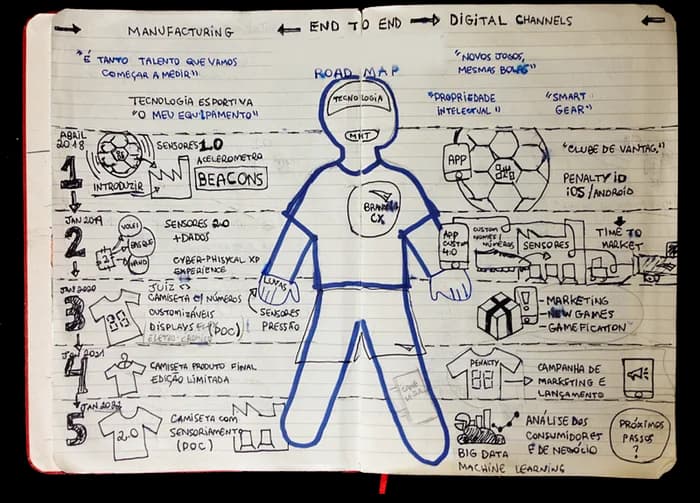
Prioritize Impact: During the refinement process, focus on initiatives that promise the highest business impact for both your company and the client. This ensures that the roadmap is not only strategic but also efficient, directing resources to projects with the greatest potential for success.
Conclusion
An innovation roadmap can be much more than a simple planning tool. It can be a dynamic, collaborative approach that aligns your internal capabilities with the strategic goals of your clients. By using a sketch format, you create a more open, engaging platform for discussion, allowing for brainstorming without the constraints of traditional, formal proposals.
This method not only fosters deeper client involvement but also positions you to refine ideas based on real-time feedback continuously. By engaging clients in co-creating the roadmap, you gain valuable insights, ensuring that your innovations are not only creative but strategically aligned with both their needs and business goals. Ultimately, this approach helps you pitch new projects more effectively, making it easier for clients to embrace and invest in the ideas that you collaboratively develop.